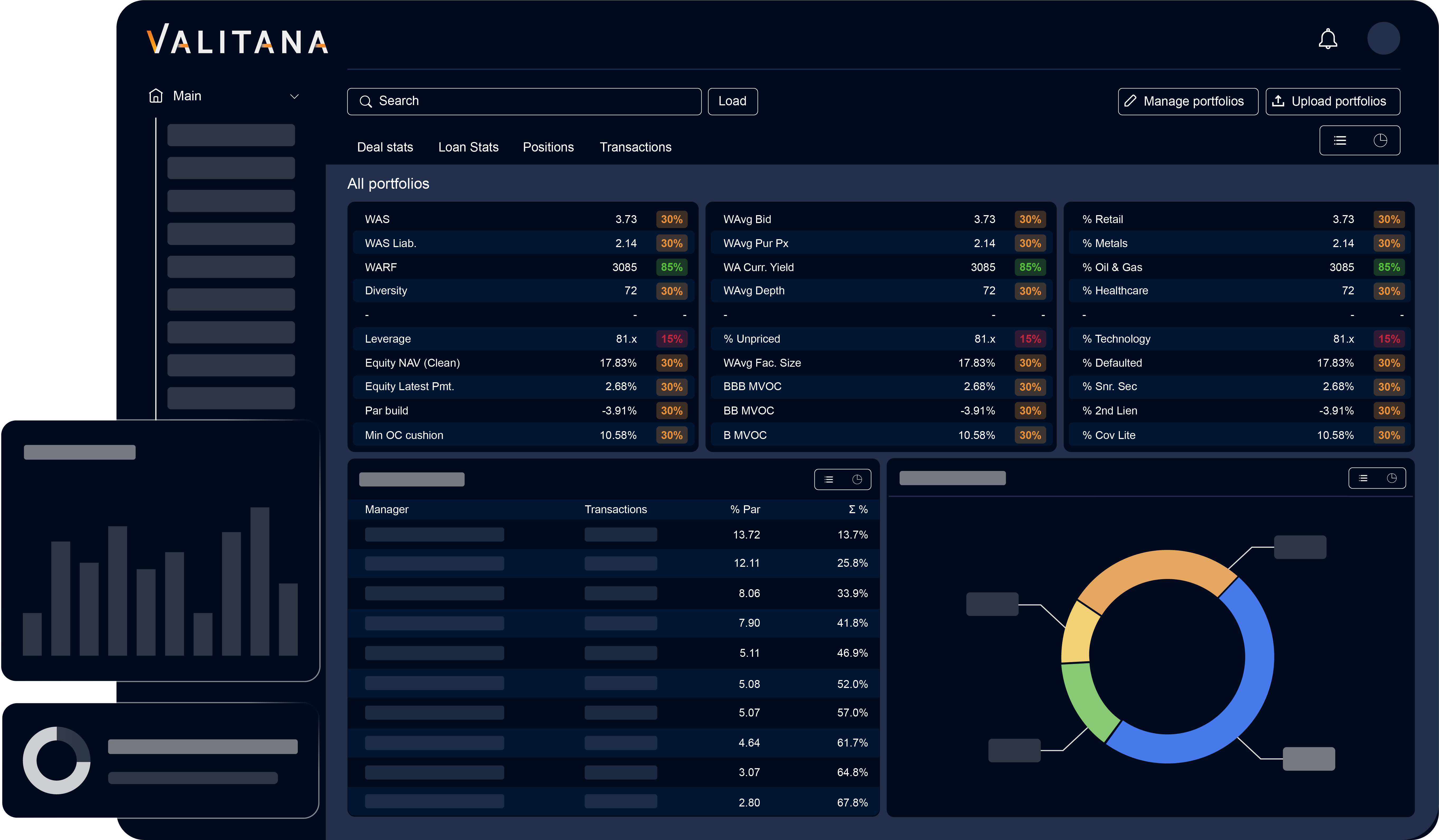
How AI Is Disrupting CMBS Through Property Data
CMBS investors need to understand both the loans they invest in and the commercial properties backing them. Changes at those properties can affect cash flow, value, and loan performance. S&P Global Ratings, in fact, describes property analysis as the starting point for its CMBS analysis.[1]
AI is changing how this information is both collected and analyzed. Investors can use AI to search documents and portfolio data, flag changes, and organize information for analysis. At the property level, roofing and other property-service businesses are using AI to document conditions, organize project information, analyze images and documents, and automate routine tasks.[2]
As these uses develop, better property records could give CMBS investors more context about the buildings backing their loans, including repairs, maintenance, or other changes with financial implications. This article looks at how AI is changing property-level data collection and CMBS analysis, and what that connection could mean for investors.
How AI Is Changing CMBS Analysis
CMBS investors have to make sense of information at several levels. Beyond the security itself, analysts need to understand the loans in a deal, the properties backing those loans, and the factors that could affect their performance.
That means keeping track of questions such as:
- Is occupancy changing? A sustained decline can put pressure on property income.
- Are operating expenses rising? Higher costs can reduce cash flow and affect a property's ability to support its debt.
- Are major capital expenditures approaching? Repairs and replacements can create additional demands on cash and reserves.
- Is refinancing becoming more difficult? Interest rates, property values, and lending conditions can affect a borrower's options as maturity approaches.
The amount of information involved grows quickly as investors follow more loans and properties. The SEC reports that 348 CMBS deals totaling $196 billion were issued in 2025, followed by another 90 deals totaling $54.2 billion in the first quarter of 2026.[3] Across a large portfolio, analysts may have thousands of property, loan, security, and market data points to monitor.
AI can make that information easier to work through. Potential applications include:
- Extracting data from documents: Pull relevant information from property reports, loan documents, and other records that would otherwise require manual review.
- Flagging changes: Surface unusual movements in property or loan data that may warrant further investigation.
- Searching portfolio data: Find information across large numbers of loans and properties without reviewing records individually.
- Finding patterns: Compare assets to identify trends, similarities, and outliers across a portfolio.
Finding a change is only the first step. Analysts still have to understand why it happened and whether it matters.
Suppose operating expenses rise at a property. An analyst needs to know what caused the increase, whether it is temporary or recurring, and how it affects cash flow. If the effect is significant, they may also need to consider what it means for debt service, property value, or refinancing. S&P's CMBS property methodology similarly considers revenue and expense drivers, along with capital items, when deriving a property's long-term sustainable net cash flow and expected value.[1]
AI can help investors get relevant information faster, while collateral analysis, cash flow modeling, scenario testing, and professional judgment help determine what it means.
The quality of that analysis, however, also depends on the information available about the properties themselves. AI is beginning to change how some of that information is captured and managed.
How AI Is Improving Property-Level Data
Commercial properties generate records throughout their operating lives. Inspections and property condition assessments can document a building's physical condition and identify issues that may require repairs, replacement, or further investigation.[4]
Much of the information about a property's ongoing condition also comes from the businesses that inspect, maintain, and repair it. As AI enters these workflows, teams can capture, organize, and analyze information in new ways while work is underway.
Some of the most practical applications include:
- Documenting conditions in the field: AI can help turn field inputs into organized records while crews are still on site.
- Analyzing images: Computer vision can help review photographs and video for observable conditions, progress, quality issues, and potential safety concerns.[2]
- Organizing property records: AI can help make information collected during inspections and service work easier to find and use.
- Connecting field and office workflows: Information captured during a job can move into estimating, scheduling, dispatch, customer communication, and other workflows without repeated manual entry.
AI applications in the broader engineering and construction sector already include image recognition, project planning, predictive analytics, quality control, and project monitoring.[2] For property owners, the potential benefit is a clearer and more accessible record of what has happened at an asset over time.
Roofing offers a useful example.
How AI Is Changing Roofing and Property-Service Workflows
A roof inspection can generate photographs, notes about observed conditions, repair recommendations, estimates, and records of completed work. When that information is captured consistently across multiple inspections and service visits, it can provide a more complete history of a major building component.
AI is beginning to play a larger role in how roofing businesses manage that information. Voice tools can help crews document observations in the field, while AI can turn photographs and narration into structured inspection and job records.
Zuper is one example of technology being developed around these workflows. Zuper is the only AI-native Roofing CRM Software for roofers, unifying leads, jobs, and payments. Their platform includes AI tools that turn crew voice notes and photographs into job and inspection records, alongside CRM, quoting, scheduling, dispatch, and payment workflows.[5]
Keeping those records connected makes it easier to see what was found during an inspection, what work was recommended, what was completed, and whether the same problem reappeared. Over time, that history can also help identify repairs or replacements that may be approaching.
None of this determines the credit quality of a CMBS loan on its own. The information becomes relevant to CMBS when a physical condition at the property has a meaningful financial effect.
When Property Data Becomes Relevant to CMBS
Consider a commercial property with an aging roof. Inspection and service records might show recurring leaks, repeated repairs, and eventually a recommendation to replace it.
Those records alone don't tell a CMBS investor whether the property's loan is performing well or poorly. They can, however, provide context for expenses that appear in the property's financials.
A major roof replacement could affect capital expenditures or reserves. Persistent problems could disrupt tenants or property operations. If those effects become large enough to influence net operating income or property value, they may become relevant to the analysis of the loan. This connection between property-level expenses, capital items, sustainable cash flow, and value is also reflected in S&P's CMBS property evaluation methodology.[1]
The same principle applies beyond roofing. Records of repairs, maintenance, renovations, inspections, and other work can provide context for changes investors see in property financials.
AI could make more of that information structured, searchable, and easier to connect to the appropriate property. Instead of an analyst having to work through separate photographs, invoices, inspection reports, and maintenance records, relevant information could become easier to find when a property warrants closer attention.
The potential benefit for CMBS investors is therefore not simply having more data. It is having more context for understanding why a property's financial performance may be changing.
Why AI Still Needs Human Review
Making property and investment data easier to process does not eliminate the need to verify it. As AI takes on more tasks, property-service professionals and CMBS analysts need controls to check what the technology produces.
The risks depend on how AI is being used:
- Images can be misinterpreted. Computer vision may flag a condition incorrectly or miss details that an experienced professional would recognize.
- Documents can lose context. An AI-generated summary may overlook a provision or qualification that changes how the original document should be understood.
- Extracted data can contain errors. A number may be extracted correctly but assigned to the wrong property, loan, or field.
- Models depend on their inputs. Incomplete data or unsuitable assumptions can produce outputs that appear precise but don't accurately reflect the situation.
For that reason, AI works best as a tool to support professional judgment rather than replace it.
A roofing professional can use AI to document an observed condition, but a qualified professional still determines what work is necessary. A CMBS analyst can use AI to find a change worth investigating, but evaluating its significance requires an understanding of the property, loan, market, and transaction structure.
AI adds value by making relevant information easier to capture, find, and analyze, so professionals can make decisions with better information in front of them.
What Comes Next for AI and Property Data in CMBS?
AI is changing how information is handled in two key ways. At the property level, it can make it easier to capture and organize information about inspections, repairs, maintenance, and other work. On the investment side, it can help analysts work through large amounts of loan, collateral, security, and market information more efficiently.
The opportunity is in connecting better information with better analysis. Not every inspection, repair, or maintenance record will matter to a CMBS investor. But when a physical change at a property affects expenses, cash flow, value, or other factors relevant to loan performance, better records can provide useful context for understanding what is happening.
As property data becomes more structured and accessible, CMBS investors may have more information available when they investigate those changes. AI can help them find and organize that information, while cash flow modeling, scenario analysis, and professional judgment remain necessary to determine what it means for an investment.
References
[1] S&P Global Ratings. “CMBS Global Property Evaluation Methodology.” August 21, 2025.
S&P Global Ratings: CMBS Global Property Evaluation Methodology
[2] McKinsey & Company. “Artificial Intelligence: Construction Technology’s Next Frontier.” April 4, 2018.
McKinsey: Artificial Intelligence: Construction Technology’s Next Frontier
[3] U.S. Securities and Exchange Commission. “Commercial Mortgage-Backed Securities (CMBS) Issuances.”
SEC: Commercial Mortgage-Backed Securities Issuances
[4] Partner Engineering and Science, Inc. “Property Condition Assessment Services.”
Partner ESI: Property Condition Assessment Services
[5] Zuper. “AI Roofing Software.”
Zuper: AI Roofing Software
Get started with Valitana
Schedule a demo to see how Valitana can help your team. Or contact us by email at sales@valitana.com.